 Weather
 Locations
 Careers
 Login
Login

Bridging generations: learning and growing together
With three sons choosing to come back to the ranch, the Verlanic family is overcoming the challenges many others face. From cattle ranching to the creation of Farmer Boy Eggs, they’ve transformed their operations to diversify and adapt to growing demands. And they respectfully share their thoughts, knowledge and experiences with each other to ensure a bright future ahead for the family business.
Meet the Verlanic family
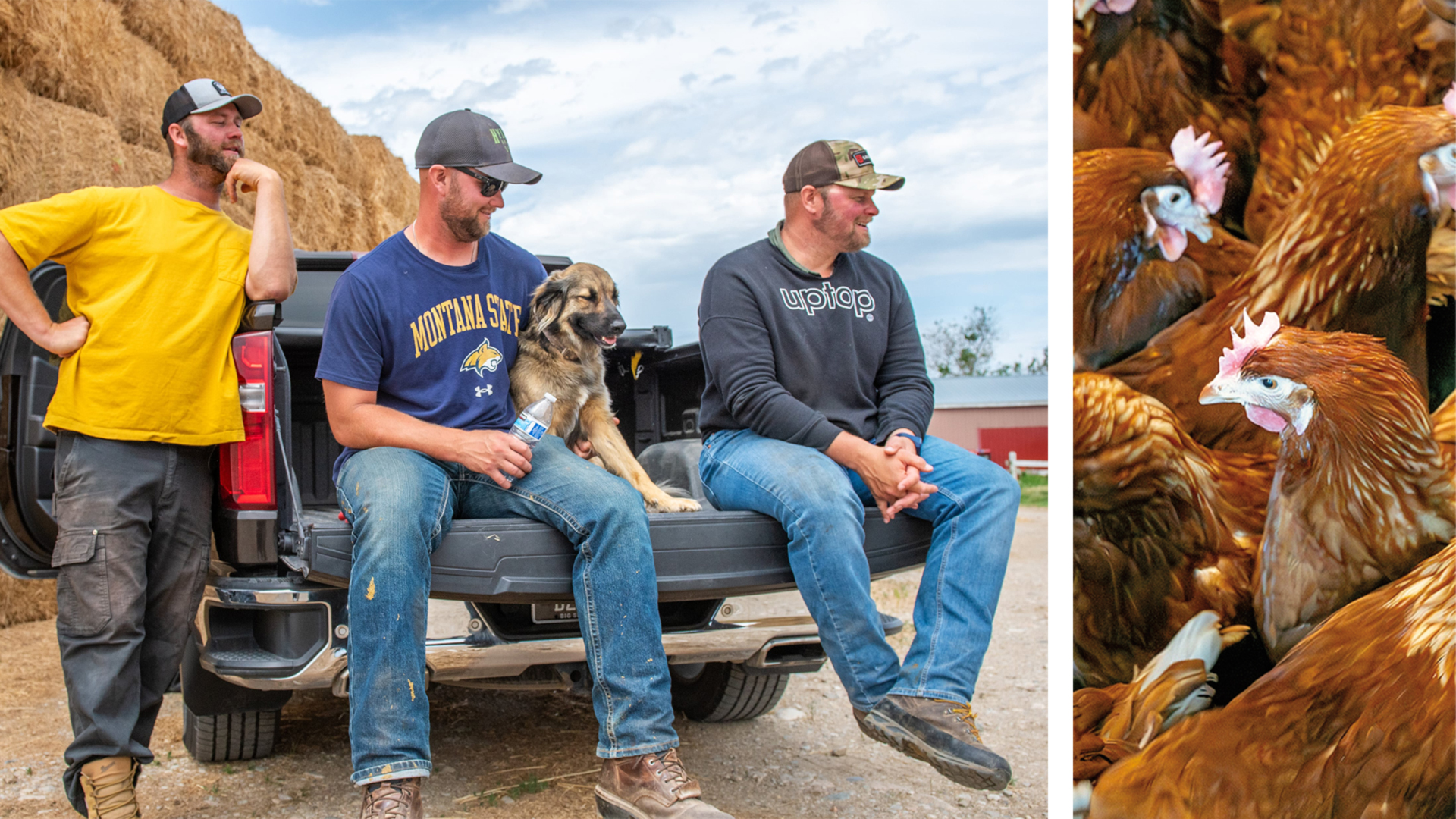
Nestled in the breathtaking landscape of western Montana, the Verlanic family operates a successful ranching business that embodies the region’s rugged beauty and agricultural heritage. Surrounded by rolling hills, lush pastures, and the vast, open skies that define Montana, their work reflects a deep connection to the land. The ranch is home to a thriving operation that includes black Angus cattle, hay, spring wheat, barley and peas. At the helm are Pat and Cari Verlanic, who now work alongside their three sons, Alex, Andrew and Connor.
Pat says the brothers always had it in their cards to return to the ranch, but they each wanted to experience different careers first and learn from others. Armed with education in finance and agribusiness, the sons gained practical work experience in various industries – corporate tax services, crop farming in New Zealand, oil drilling in North Dakota – before they returned to the family business.
“We didn’t put any pressure on the boys to come back to the ranch,” says Pat. “And we didn’t have any hard and fast rules or regulations if they did. When they expressed an interest in coming home, it was obvious that we needed to expand our footprint and diversify. So, we all worked together to evolve to where we are today.”
Knowing their sons would provide additional labor – something in very short supply – Pat and Cari saw an opportunity to expand their hay base to reduce their cattle feeding costs. In 2017, they purchased a 750-acre ranch in Deer Lodge, Montana, about 30 miles from the home ranch in Drummond. In addition to the land, the ranch provided a home with more space for the boys and their families.
Introducing Farmer Boy Eggs
When the sons gradually returned over a five-year period, they explored ways to expand and diversify. The family credits middle son Andrew as the brain of Farmer Boy Eggs, a free-range egg farming enterprise pioneered by the sons in 2017. The Verlanics didn’t know anything about raising hens or selling eggs back then, but they found a mentor who was willing to share their knowledge to help the sons start their own business from the ground up.
“We started with about 500 chickens in horse trailers,” says Cari. “As the chickens grew, we transferred them to the side of the barn and then all the way over to the laying facility by hand, eight chickens at a time. It was heavy-duty work! There were probably 10 of us and we finally got them all moved by the end of the day. We’ve definitely had some bumps along the way, but we just kept learning and moving forward. Now we’re a pretty finely tuned operation.”
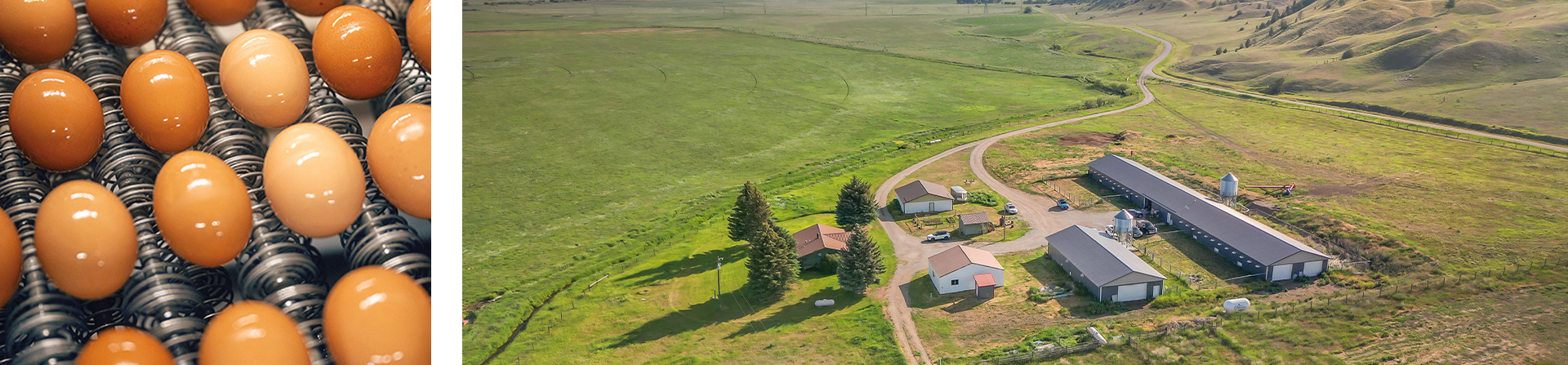
Today, Farmer Boy Eggs produces over 6,000 eggs daily from approximately 6,500 laying hens. They also raise their own chicks, which will cycle through production every 15 months. The business supplies farm fresh eggs to both national and local retailers in Montana.
In addition to the knowledge they’ve gained in “flocksmanship,” the Verlanics say one of the biggest lessons they’ve learned is about customer preferences versus price. While consumers are more conscious about locally grown products today, they’re also very loyal to their pocketbooks. This was especially apparent after the bird flu outbreak significantly increased egg prices earlier this year. While prices have come down since then, customers continue to be extremely price sensitive. The Verlanics say they are fortunate to have a loyal, core group of retail customers who continue to value their products and support their business.
Financial freedom through diversification
Perhaps one of the biggest benefits of Farmer Boy Eggs is the autonomy it offers the Verlanic brothers beyond the family’s ranching operation. “Farmer Boy Eggs has helped us to gain some financial independence from our parents,” says Connor. “It has allowed us to do things that we feel are important, like upgrading equipment or innovating with new technology without being a burden on the ranch. Individually it also provides us with money to be more independent in our personal lives.”
Their parents agree. “When Cari and I were working with my folks on the ranch, we weren’t financially independent,” says Pat. “If the ranch couldn’t afford something, we didn’t buy it. These guys have much more freedom and independence than we did. So, if they disagree with us on a purchase or something, they have the freedom to make the decision to move ahead and do it on their own.”
Fresh perspectives and forward thinking
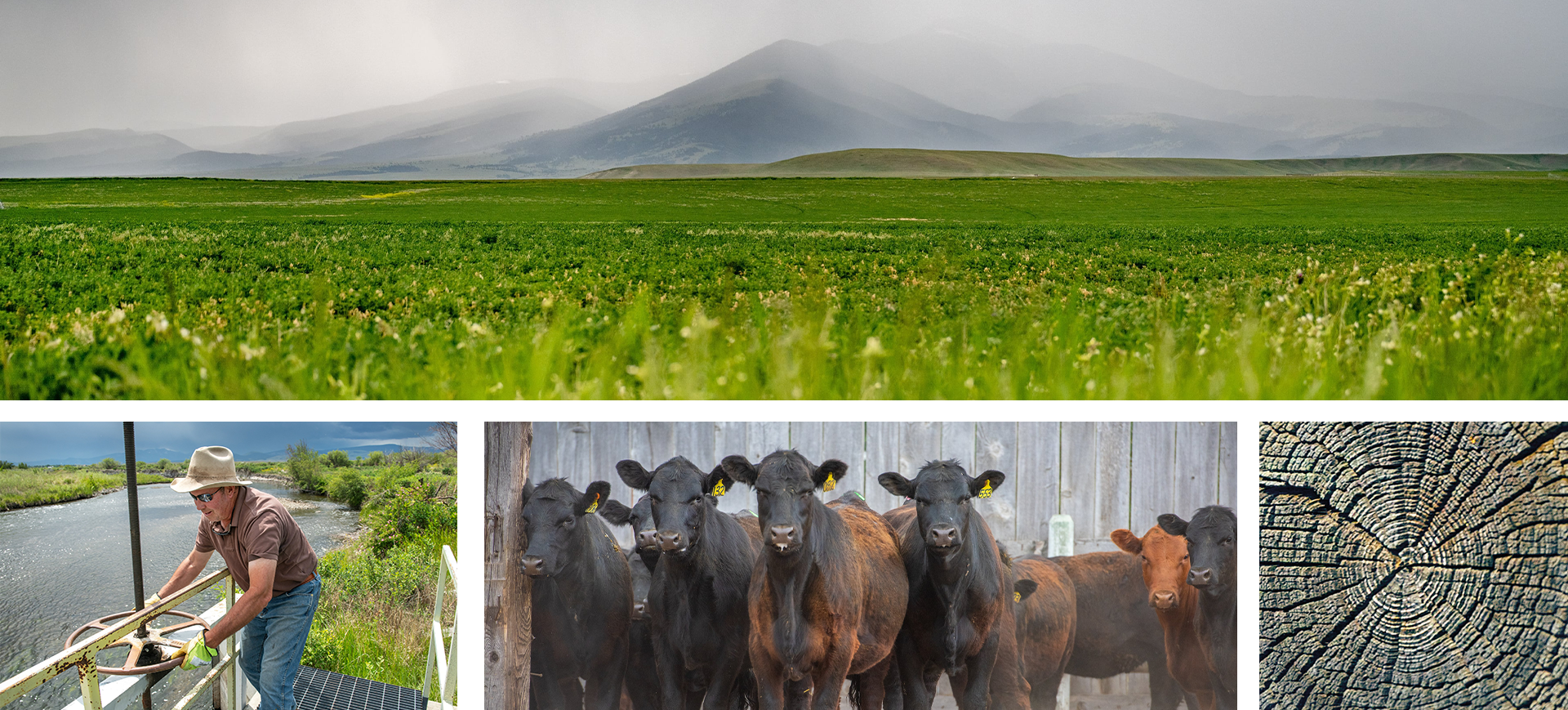
The Verlanics are now taking diversification a step further. They are starting to repurpose chicken manure as fertilizer for their hay fields and growing their own feed to control fluctuating costs. Every entrepreneurial effort is a strategic step to add resilience to the operation. And their lender has been backing them every step of the way.
“AgWest wanted to see us succeed from the beginning,” says Alex. “They provided my brothers and me with the financing and capital we needed to build the new chicken coop and purchase grinding equipment to lower our feed costs. They continue to support us along this growth trajectory.”
Lessons learned from sharing knowledge
Every successful operation thrives on collaboration, and the Verlanics are a testament to the power of learning from one another. The sons consistently acknowledge the work ethic, love of agriculture and perseverance instilled in them by their parents who have shown family unity and resilience in times of uncertainty.
Pat and Cari credit their sons with infusing new energy into the business and encouraging them to take more calculated risks. “We weren’t afraid to take chances, but the boys have helped us with a more formal process for budgeting and financial planning,” says Pat. “They’ve taught us, if we’re going to buy something or expand in a certain area, we ask, what is the return on that investment? With sharper accounting we see that a lot of the things they do have merit and will end up being profitable.”
Across generations, the Verlanics have created a dynamic exchange of wisdom and innovation that strengthens their family and their business. Despite their individual differences, they share a deep commitment to learning and adapting. Together, they’ve proven that growth comes from staying open to change and embracing the unique strengths each generation brings.
Return to Industry Insights home page
IN THIS SECTION

.jpg?Status=Master&sfvrsn=68087301_1 "My project-1 (26)")
Economic headlines, data and trends
Monthly economic trends, data and major industry headlines.
Learn more