 Weather
 Locations
 Careers
 Login
Login

Raising up leaders
When Baker City, Oregon, Branch Manager Mark Coomer agreed in 1995 to lead the sheep division in his kids’ 4-H club, he had no idea that he’d be involved for the next 30 years.
“I don’t know who’s gotten the most out of it: the couple hundred kids I’ve mentored over the years, or me,” Mark jokes.
For Mark, who recently turned over the reins of the Good Shepherds 4-H club to a new generation of parents, leading the club has been about exposing kids to agriculture who may not have had the opportunity otherwise.
Baker City is a small town and ag-centered, he says. “But there’s a large segment of the population here that doesn’t understand anything about ag. Even competing in events like home economics and baking – they learn so much.”
Each year, nearly 6 million kids across the country participate in 4-H, and more than a million students are involved in the National FFA Organization.
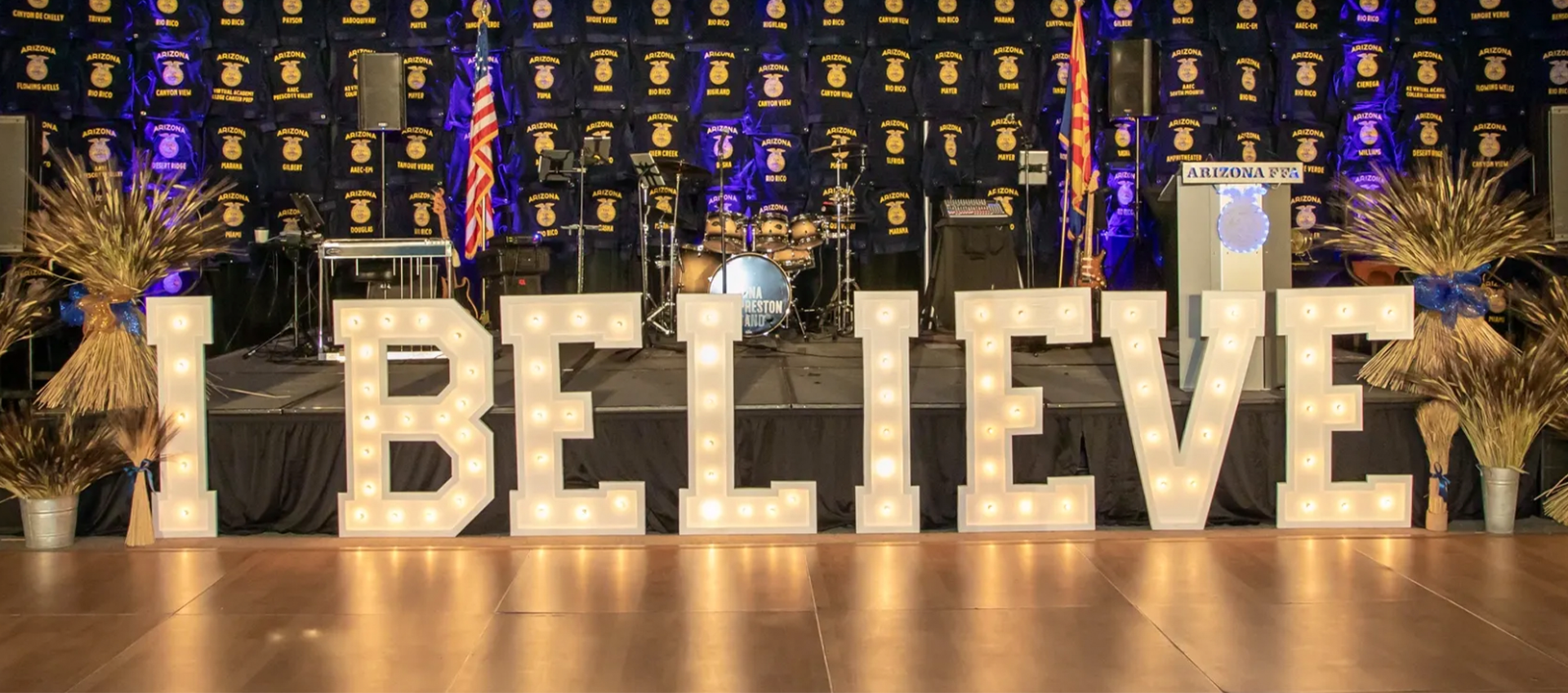
Mark is one of many AgWest Farm Credit staff members who volunteer with youth programs like 4-H and FFA. Another is Doug Norton, Senior Credit Review Advisor in Tempe, Arizona. Doug is a board member of the Arizona FFA Foundation, which supports agricultural education from a global perspective.
“We try to get students interested in agriculture at the high school level and encourage them to become part of the local chapter,” Doug says. “Educating students about agriculture creates advocates for their community, who continue to support ag because it’s an important part of their economy and livelihoods.”
Beyond rural communities, these youth programs are reaching kids in more developed cities. Mandy Minick, Senior VP of Stakeholder Relations, is a 4-H club leader in Spokane, Washington, focusing on livestock and horses. She says the variety of programs offered in some clubs – Legos, robotics, cooking and gardening, for example – have kept 4-H relevant as communities have become less rural.
“Not everybody can have a sheep in their backyard, but maybe they can compete with Legos, and then they’re seeing pumpkins [at the fair] someone else grew,” Mandy says. “It’s such a great way to connect the community to agriculture.”
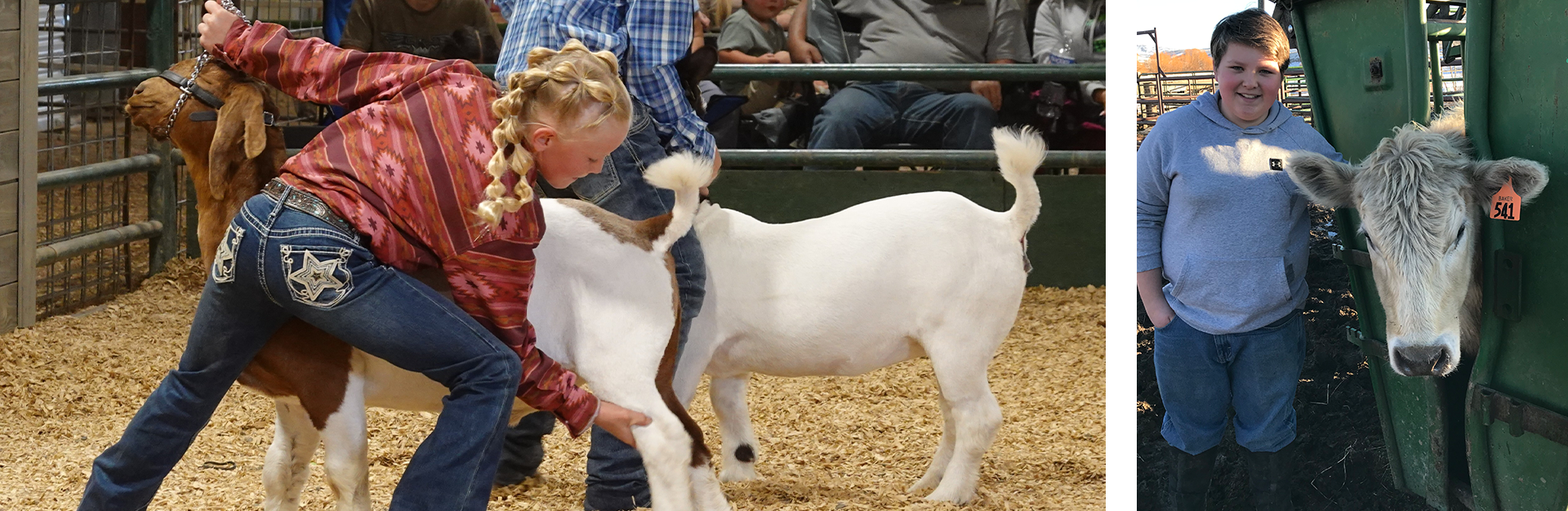
AgWest takes pride in supporting FFA and 4-H chapters across the West, not only through program funding and event support, but also by facilitating volunteerism.
Employees are provided three paid days of service to a nonprofit, and many choose to be involved with youth agriculture programs.
For Mark, one of the reasons he remained involved over the years is for the reward of watching kids develop confidence and leadership skills. To that end, one exercise he required of his kids was livestock judging, because of the decision-making skills it develops.
“Life is all about making good decisions, and weighing pros and cons,” he says. “College, a life partner, car purchases… If kids take this seriously, they end up being pretty focused people.”
Doug echoed that sentiment, saying that beyond the benefits of keeping agriculture alive, these programs are raising up a generation of dynamic leaders.
“I think FFA helps today’s youth remain focused and not be overcome by all the distractions that can stunt their growth,” he says. “It gives them purpose and builds within them a foundation of principles that are tried and true. The more that we can keep them focused and help them discover and identify what their purpose is, the more it’s going to serve everyone, including future generations.”
For more information about FFA, visit ffa.org.For more information about 4-H, visit 4-h.org.
Return to Employees Stories home page.