 Weather
 Locations
 Careers
 Login


Adaptation, innovation and a supportive lender help California growers thrive
AgWest Portfolio Manager Jon Kennedy knows a thing or two about change.
When he began working in the Farm Credit System 37 years ago, cotton covered more than 1.1 million acres in California’s southern San Joaquin Valley. Greenhouse gas emissions had not yet become the focus they are today, and while the West has always been arid, there was more water to go around.
Today, the picture for growers in Kern and Tulare counties — arguably the state’s most productive agricultural region —has changed significantly. Dairy and food crops dominate the agricultural landscape, and little more than 100,000 acres of cotton remain. Farmers are grappling with new and challenging regulations around methane emissions and groundwater supplies. Commodity prices are soft in many cases and interest rates are the highest they’ve been since 2008.
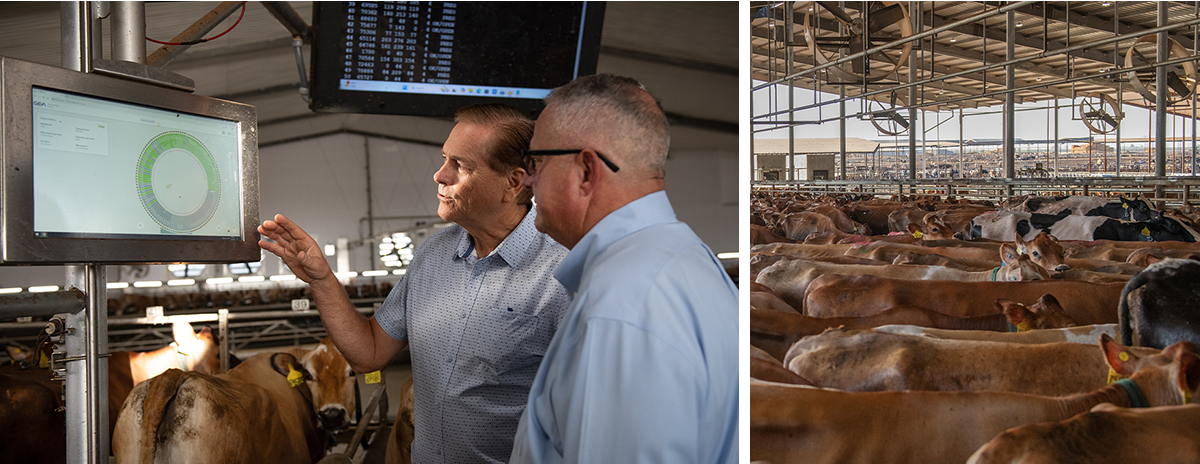
The keys to navigating the constant changes, says Jon, who is based in AgWest’s Tulare branch, are adaptation and innovation.
“California is always changing,” he says. “Our job as a lender is to continually adapt, learn and grow — and to help our customers do the same.”
Throughout his career, he has put those words into practice. In 2020, in response to a state mandate requiring dairy producers to reduce livestock methane emissions by 40% by 2030, he helped spearhead the nation’s largest dairy digester project at that time, securing $50 million in Farm Credit funding.
Over the next three years, 50 methane digesters and upgraders were built in six clusters throughout the region, capturing methane from dairy manure and sending it to centralized processing centers. There, it is upgraded to renewable natural gas, to be dispensed as fuel for over-the-road vehicles in California.
The multi-faceted project provided financial incentives to producers, who received a percentage of the cleaner gas sales’ profit, while bringing new and high-paying jobs to the area and providing a significant benefit to the environment. As the lead lender, AgWest ultimately invested a total of $172 million in loans to the dairy industry, helping reduce annual methane emissions by 5 million metric tons per year, and ensuring the industry is well on its way to meeting the emissions reduction goal.
“The digester project was good for all the stakeholders involved,” Jon says. “Our commitment to agriculture and to the dairy industry in all of California, and the personal relationships we have with dairy producers, made it clear this is something we needed to be a part of.”
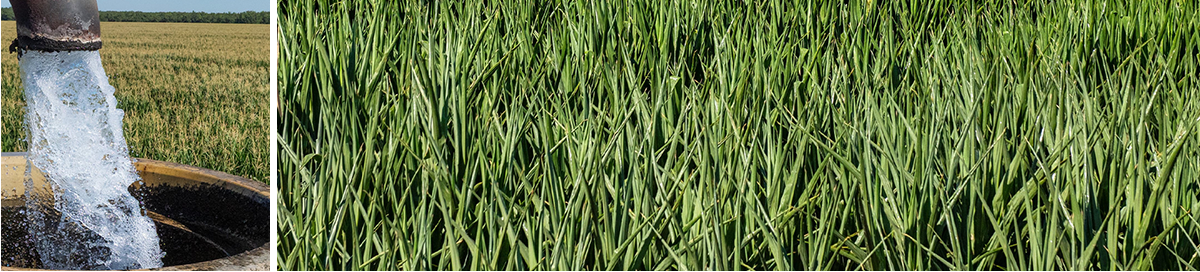
More recently, Jon has been helping his customers as they respond to new statewide groundwater regulations which, for the first time, impose local management of aquifer supplies. As a result, some growers are moving from irrigated field crops with lower margins to higher-value crops (like nuts, blueberries and citrus) or lower water usage crops (like agave). Water access has become central to business planning, with some farmers banking what they have, or opting to sell their water instead, Jon explains.
“Access to water is driving a lot of decisions and creating a unique lending environment for us,” Jon says. “Farmers have been very good about creating new technology and reinventing themselves. They continue to get more out of less.”
To help growers navigate the challenges, he says he regularly meets with them to review their financials, spotting trends in advance to keep them on solid footing and guiding them away from over-expanding when markets are good.
“We’re a constant resource, coming up with viable solutions — whether it’s de-leveraging, deciding how to modify a business plan or identifying opportunities,” Jon says. “We want to see our customers thrive and grow their business; it’s a strong relationship built on shared long-term success.”
After nearly four decades in the business, it’s no wonder he’s invested in the vitality of his customers. In some cases, he’s beginning third-generation relationships with ag producers he helped get started.
“Seeing the succession — and feeling the pride of having helped start or build an operation — it’s like watching your kids grow,” he says. “You have pride in watching them succeed.”
Return to Customer Stories home page.